Uncovering How Sensor Data from Portable Devices Shapes Personalized Slot Recommendation Engines in Licensed Multi-State Platforms
Written by Riley Brooks · Aug 8, 2026
Uncovering How Sensor Data from Portable Devices Shapes Personalized Slot Recommendation Engines in Licensed Multi-State Platforms
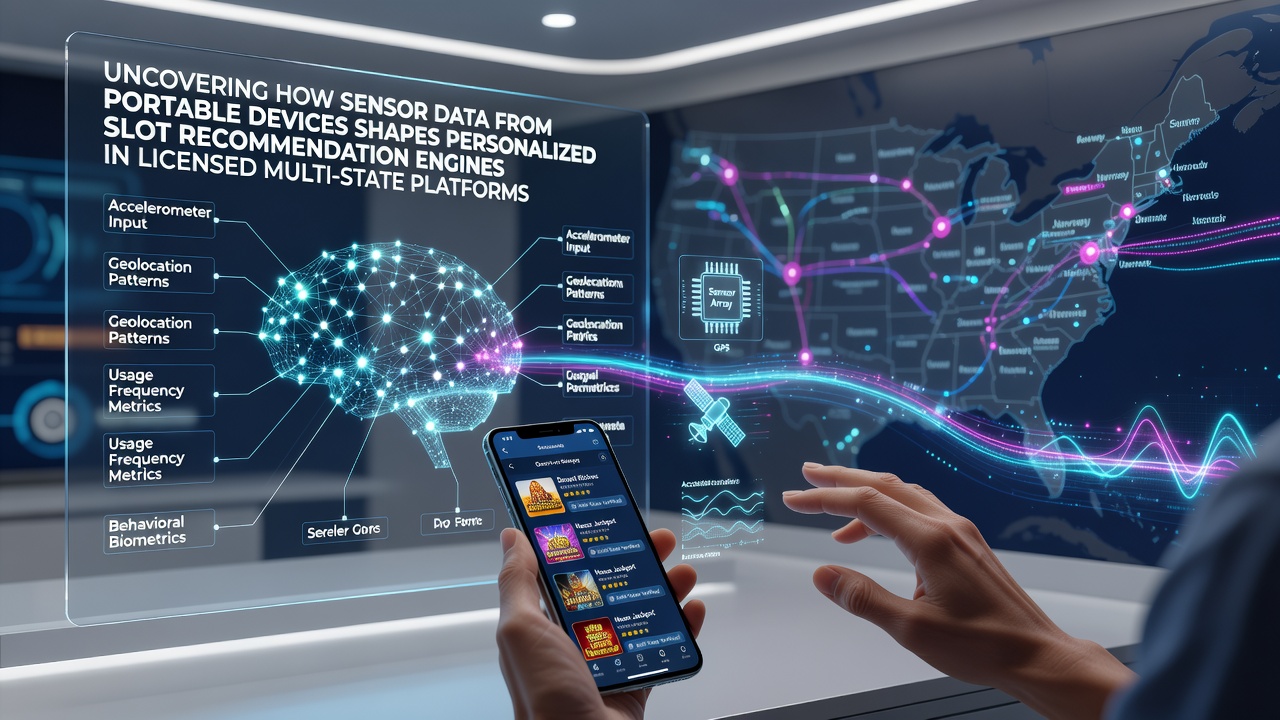
Portable devices feed continuous streams of sensor information into slot recommendation systems that operate across multiple licensed states, and operators use this data to adjust game suggestions based on user movement patterns, device orientation, and location signals. Accelerometers detect tilt and shake while gyroscopes track rotation, both of which platforms convert into inputs that refine which slot titles appear at the top of a player's feed. GPS coordinates further narrow options to titles approved for the specific jurisdiction where teh device sits at that moment.
Multi-state platforms must reconcile different regulatory requirements in each jurisdiction, yet sensor fusion allows the same app to deliver tailored lists without violating state boundaries. Data collected in August 2026 shows increased integration of barometric pressure readings and ambient light sensors alongside traditional motion inputs, creating finer distinctions between daytime and nighttime play sessions. Engineers combine these signals through machine learning models that predict which volatility levels or bonus features a user might engage with next.
Sensor Categories Driving Recommendation Logic
Device accelerometers capture linear movement while magnetometers supply directional context, and together they help systems identify whether a player holds the phone in portrait or landscape mode during extended sessions. Location services supply precise latitude and longitude that platforms cross-reference against state gaming maps updated monthly. Time-of-day data derived from device clocks further segments recommendations, separating morning commuters from late-night users in different time zones.
Researchers at the University of Nevada, Las Vegas have documented how these combined inputs improve click-through rates on suggested slots by aligning game features with detected physical behaviors. Platforms licensed in states such as New Jersey, Pennsylvania, and Michigan apply the same sensor pipeline yet route final outputs through jurisdiction-specific filters that enforce local payout schedules and game approval lists.
Cross-State Data Handling and Compliance
Operators maintain separate data silos for each licensed state even when the underlying recommendation engine runs on shared cloud infrastructure. Sensor streams pass through geofencing checks that confirm the device remains inside approved boundaries before any personalized list generates. When a player crosses state lines the system instantly swaps recommendation weights to match the new regulatory environment without requiring a full app restart.
Figures from the New Jersey Division of Gaming Enforcement indicate that sensor-enhanced personalization accounted for measurable shifts in session length during the first half of 2026. Similar patterns appear in reports covering Michigan and Pennsylvania markets, where platforms must log every sensor-derived adjustment for audit purposes.
Technical Integration in Live Platforms
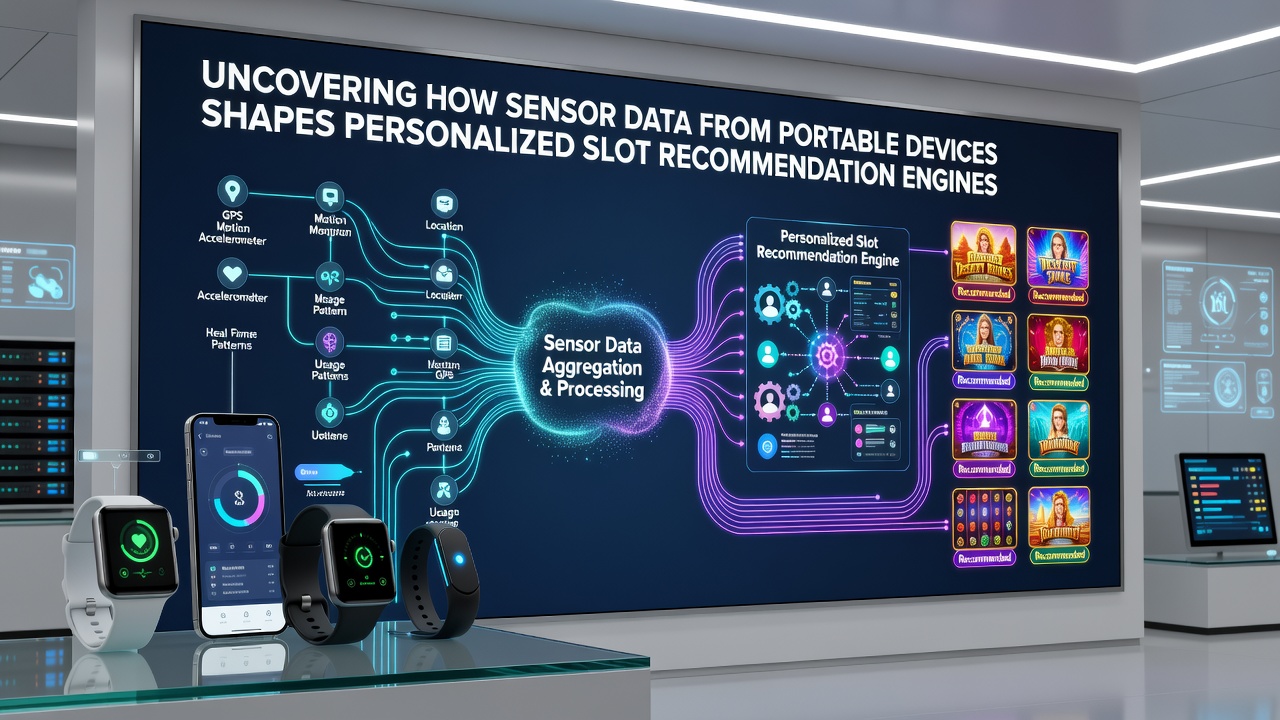
Real-time recommendation engines ingest sensor packets every few seconds and feed them into models that score available slot titles against current user context. A player who frequently tilts the device during bonus rounds may receive more suggestions for games featuring motion-triggered animations, while steady-hand users see different volatility profiles. These adjustments occur within milliseconds and remain invisible to the end user except through the changing order of game tiles.
Platforms also incorporate battery level and thermal readings as secondary signals because low-power states often correlate with shorter sessions and different game preferences. Developers test these correlations across thousands of anonymized sessions before deploying updated weighting factors to production environments serving multiple states simultaneously.
Privacy Controls and User Transparency
Licensed operators must display clear disclosures about sensor data collection inside app settings, and users can toggle individual inputs such as motion tracking or precise location without losing core functionality. State regulations require that any sensor data used for personalization remains segregated from marketing databases, limiting secondary uses even when players consent to improved recommendations.
Industry groups including the American Gaming Association have published guidelines that encourage consistent consent flows across state lines, reducing friction for players who move between jurisdictions. These standards emphasize granular control so that disabling one sensor type does not affect recommendations based on other available signals.
Conclusion
Sensor data from portable devices continues to refine slot recommendation engines that serve licensed multi-state platforms by supplying contextual signals that traditional account history alone cannot capture. Location, motion, and environmental readings allow systems to deliver jurisdiction-compliant suggestions that adapt to how and where users actually play. As device hardware adds new sensors and regulatory frameworks evolve, the same data pipelines will likely support additional personalization layers while maintaining the separation required by each state's licensing rules.