Tracing Links Between Regional Banking Partnerships and Zero-Entry Access to Interactive Table Games on Portable Devices
Written by Kai Simmons · Jun 1, 2026

Tracing Links Between Regional Banking Partnerships and Zero-Entry Access to Interactive Table Games on Portable Devices
Regional banking partnerships have expanded their reach into digital entertainment sectors, particularly where financial infrastructure supports seamless connections to portable gaming systems, and observers note these alliances often streamline pathways for users seeking immediate entry to interactive table games without traditional onboarding delays. Data from multiple jurisdictions shows that such collaborations typically involve shared payment rails and verification protocols that reduce friction at the point of access, allowing portable devices to interface directly with live dealer environments and simulated table setups.
Regional Banking Frameworks Enabling Digital Pathways
Financial institutions in specific geographic zones form alliances that prioritize compatibility with mobile application ecosystems, and these arrangements frequently incorporate real-time authorization layers that align with gaming platform requirements. Research indicates partnerships between mid-sized regional banks and technology providers create dedicated channels for transaction processing, which in turn support zero-entry models where initial deposits or lengthy registrations become unnecessary steps. Figures from North American and Australian markets reveal that such integrations grew steadily through 2025, driven by updates in banking APIs that permit instant verification across state or provincial lines.
One development worth noting involves how these banking networks handle cross-border data flows while remaining compliant with local statutes, and experts observe that the result often translates into portable devices launching table game sessions within seconds of a user opening an app. Studies conducted by academic teams at institutions focused on fintech intersections highlight cases where regional banks supplied the backbone for identity checks that previously required separate third-party services.
Mechanics of Zero-Entry Access on Portable Devices
Zero-entry access refers to systems that permit users to engage with interactive table games through mobile interfaces without preliminary funding actions or account setup hurdles, and banking partnerships supply the underlying settlement mechanisms that make this possible. According to documentation from the Malta Gaming Authority, certain licensed operators leverage regional bank connections to authenticate users via existing financial profiles already stored on portable devices. This approach eliminates repeated data entry, allowing direct transitions from app launch to live blackjack or roulette tables hosted on remote servers.
Portable device hardware plays a supporting role through embedded security features such as biometric scanners and tokenized payment credentials, while regional banks contribute by maintaining synchronized ledgers that confirm eligibility without additional prompts. Data shows that adoption rates for these methods increased notably in markets where banking regulations encouraged open API standards, and the outcome appears in reduced session initiation times reported across operator analytics.
Interactive Table Games and Mobile Integration Patterns
Interactive table games on portable devices encompass real-time dealer interactions alongside algorithmic variants that respond to user inputs with minimal latency, and regional banking ties influence how quickly these experiences become available. Partnerships often facilitate the routing of micro-transactions that occur during gameplay, such as side bets or chip adjustments, without interrupting the flow. Observers note that in June 2026 several operators announced expansions of these features in regions where updated banking agreements came into effect, extending zero-entry capabilities to additional device types including tablets and foldable phones.
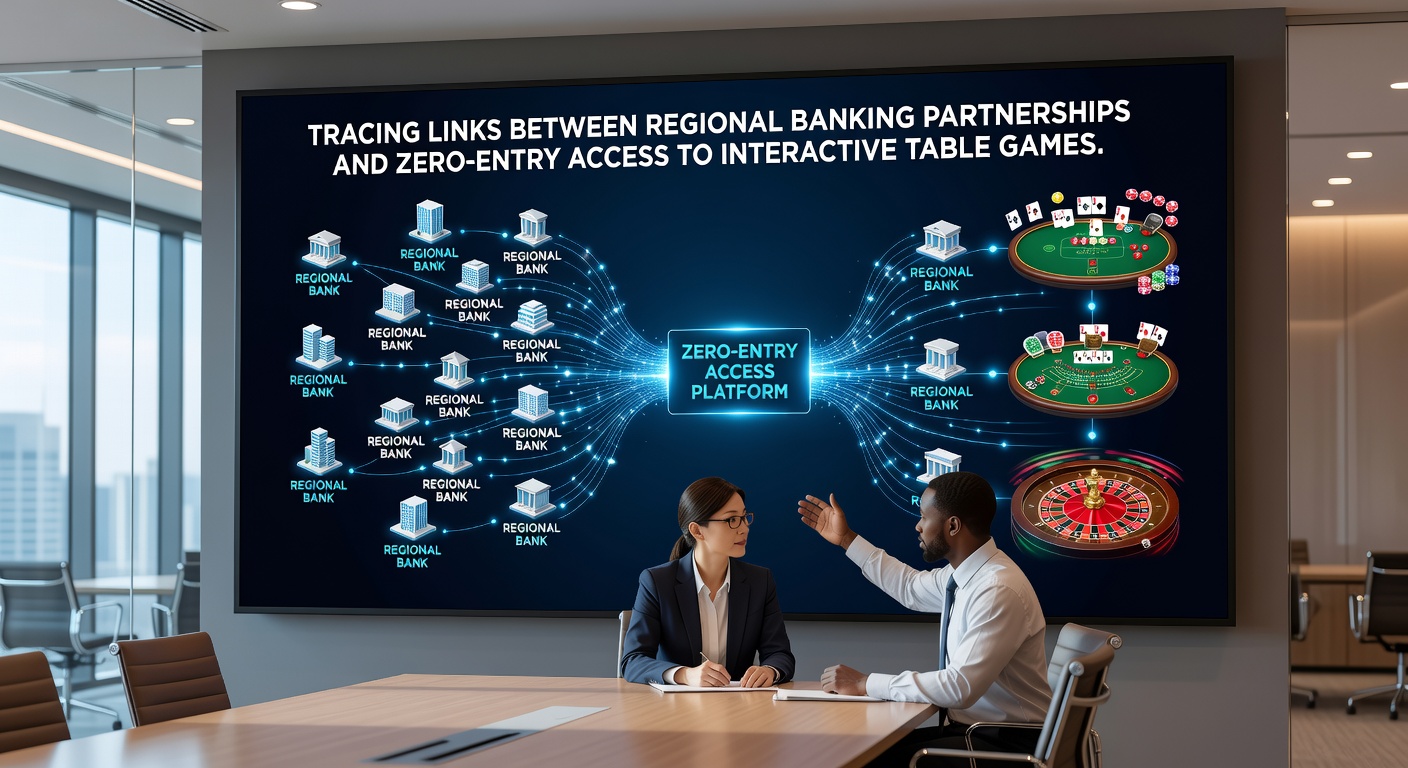
Evidence from industry reports points to measurable differences in user retention when banking partnerships handle verification locally rather than through centralized processors, and this pattern holds across multiple device operating systems. Those who've examined usage logs find that seamless access correlates with higher engagement levels in table game categories compared to setups requiring separate wallet funding steps.
Regulatory and Infrastructure Influences Across Regions
Regulatory bodies in varied jurisdictions shape how banking partnerships intersect with gaming access protocols, and the Canadian province of Ontario provides one example through its iGaming framework that encourages financial institutions to participate in secure transaction networks. Similar approaches appear in parts of the European Union where member states align banking directives with digital service standards, allowing portable platforms to offer table games under zero-entry conditions once initial compliance checks clear. Research from university-led projects indicates these regional variations produce distinct technical implementations yet share common outcomes in faster device-based onboarding.
June 2026 saw continued dialogue between banking associations and gaming regulators in several markets, focusing on standardizing data exchange formats that underpin instant access features. Such conversations build on earlier pilots where regional banks tested encrypted channels for gaming-related verifications, resulting in protocols now embedded in numerous mobile applications.
Conclusion
Regional banking partnerships continue to intersect with mobile gaming infrastructure in ways that support zero-entry access to interactive table games on portable devices, as evidenced by expanding API integrations and regulatory adaptations across multiple continents. The connections traced through transaction pathways and verification systems demonstrate how financial networks underpin the operational realities of instant-play environments, with patterns documented in data from diverse sources including government agencies and academic studies. These developments remain tied to ongoing infrastructure updates that prioritize compatibility between banking systems and device-level gaming interfaces.