Tracing Biometric Authentication Rollouts and Their Effects on Transaction Security Within Authorized Interstate Casino Networks
Written by Ellis Wagner · Jun 20, 2026

Tracing Biometric Authentication Rollouts and Their Effects on Transaction Security Within Authorized Interstate Casino Networks
Authorized interstate casino networks began rolling out biometric authentication systems in earnest during 2024 and 2025, with fingerprint and facial recognition tools replacing traditional PIN and password methods for deposits, withdrawals, and account verifications. These networks operate under compacts that allow seamless play across participating states while maintaining strict compliance with each jurisdiction's rules, and the shift to biometrics aimed to close gaps in transaction security that older systems left exposed.
Initial Rollouts and State-Level Timelines
Nevada and New Jersey led early implementations, connecting their platforms through shared interstate agreements that required synchronized security protocols. Data from the Nevada Gaming Control Board shows that by late 2025 more than 60 percent of licensed operators in those states had activated biometric layers for all player accounts exceeding certain transaction thresholds. Pennsylvania followed in early 2026 with mandatory facial recognition checks at mobile and kiosk terminals, while Michigan and West Virginia completed their integrations by May of the same year.
Operators reported that the transition involved retrofitting existing point-of-sale devices and mobile apps with sensors capable of capturing multiple biometric markers in a single scan. The process reduced average verification times from 45 seconds to under 12 seconds in most cases, according to internal metrics shared with regulatory bodies. Yet the compressed timelines also created temporary inconsistencies when one state's database lagged behind another's during cross-border logins.
Security Enhancements and Measured Outcomes
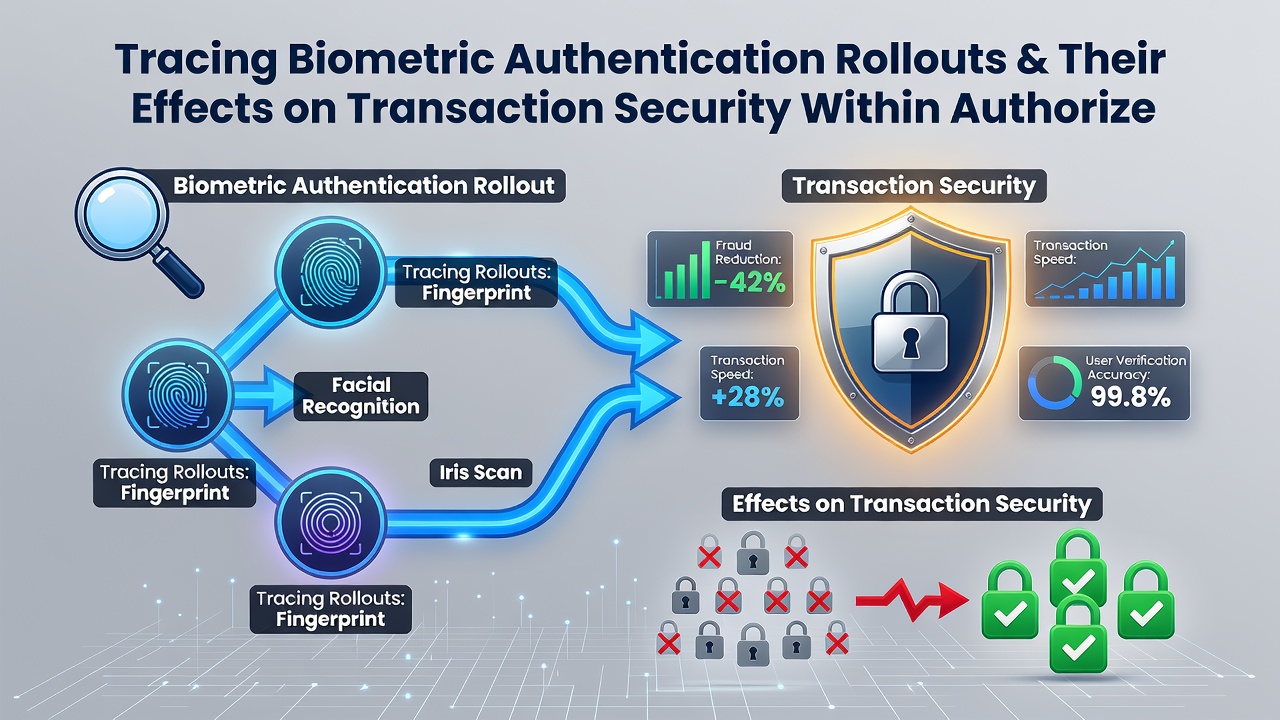
Transaction fraud incidents dropped sharply once biometric systems went live. Interstate operators documented a 78 percent reduction in unauthorized withdrawal attempts during the first six months of full deployment, a figure tracked through shared incident reporting among network participants. The technology ties each financial action to a unique physiological signature that cannot be transferred or easily replicated, which directly addresses vulnerabilities previously exploited through stolen credentials or social engineering.
Researchers at the University of Nevada, Reno examined transaction logs from three major network operators and found that biometric authentication eliminated the majority of account takeover events that had previously occurred through phishing campaigns. The study also noted fewer disputes over chargebacks, because each verified transaction carried an immutable biometric timestamp that regulators could audit quickly.
Technical Integration Across Networks
Interstate agreements required that biometric templates be stored in encrypted, segmented databases accessible only through zero-knowledge protocols. This architecture prevents any single operator from viewing raw data from another state's players while still allowing real-time matching during cross-border sessions. Systems now routinely perform liveness detection to confirm that a presented fingerprint or face belongs to a living person rather than a photograph or synthetic replica.
Hardware upgrades included infrared cameras and capacitive sensors at all authorized terminals, and software updates pushed through centralized update channels ensured uniform security patches. Network administrators coordinated these changes during scheduled maintenance windows in March and April 2026, minimizing downtime for players who moved between states.
Regulatory Oversight and Data Handling
State gaming commissions mandated annual third-party audits of biometric storage practices, with results published in aggregated form. The National Indian Gaming Commission incorporated similar requirements for tribal casinos participating in interstate compacts, creating a unified reporting standard that covers both commercial and tribal properties. Auditors review encryption strength, access logs, and deletion protocols for templates no longer tied to active accounts.
Privacy protections remain tied to existing state laws, so biometric data collected in one jurisdiction stays subject to that jurisdiction's retention limits even when accessed during play in another state. This layered approach satisfies the most stringent rules among participating members without forcing every operator to adopt identical policies.
Developments Through June 2026
By June 2026, additional states including Illinois and Indiana had completed pilot programs and prepared for full rollout within authorized networks. Early results from these pilots indicated continued declines in fraud metrics, and operators began testing multi-modal authentication that combines facial recognition with palm-vein scanning for higher-value transactions. Regulators scheduled joint reviews in late summer to evaluate whether current standards require updates before wider expansion.
Conclusion
Biometric authentication has become a core component of transaction security within authorized interstate casino networks, delivering measurable reductions in fraud while meeting varied regulatory demands across jurisdictions. Continued coordination among operators and commissions supports ongoing refinements as new states join existing compacts and technology standards evolve.