State Regulatory Shifts Impacting Cryptocurrency Integration Timelines Within Mobile Live Dealer Frameworks
Written by Kai Brooks · Jul 13, 2026
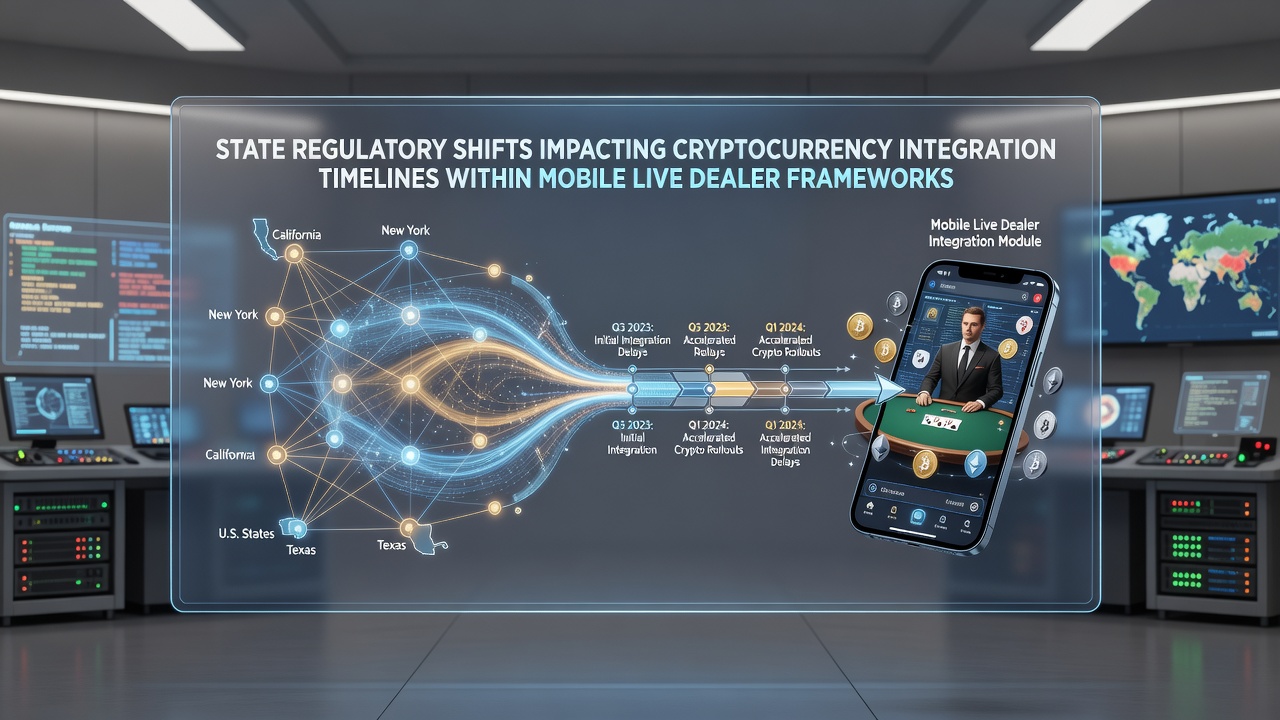
State Regulatory Shifts Impacting Cryptocurrency Integration Timelines Within Mobile Live Dealer Frameworks
State regulatory bodies across the United States continue to adjust their frameworks for cryptocurrency use in mobile live dealer environments, and these adjustments directly alter how operators sequence technology upgrades and compliance checks. In July 2026 several jurisdictions released updated guidance that clarified acceptable wallet types and transaction monitoring requirements, which in turn extended or compressed the windows available for platform certification.
Overview of Recent State Actions
Data from multiple gaming control agencies shows that states have moved toward standardized reporting protocols for digital asset transfers, yet the pace of adoption varies sharply by region. New Jersey and Pennsylvania issued joint technical bulletins in early 2026 that aligned their crypto custody rules with existing banking partnership standards, while Michigan and West Virginia focused instead on real-time latency thresholds for live dealer streams when crypto funding is involved. These differences mean operators must sequence integration work according to each state's certification calendar rather than a single national timeline.
Observers note that the July 2026 round of updates emphasized audit trails for wallet addresses and introduced mandatory third-party verification steps before any mobile app could accept cryptocurrency deposits. Because these steps require additional code reviews and stress testing, several operators postponed planned rollouts from the third quarter into the fourth quarter of 2026.
Effects on Mobile Platform Development Cycles
Integration timelines lengthen when states demand separate testing environments for crypto-enabled live dealer tables. Device-specific interface adjustments must now accommodate fluctuating network confirmation times, which affects how quickly bonus triggers and reward sequences activate during real-money sessions. Research conducted by the University of Nevada, Las Vegas gaming research unit indicates that platforms undergoing crypto certification in multiple states simultaneously experience an average delay of six to nine weeks compared with single-state deployments.
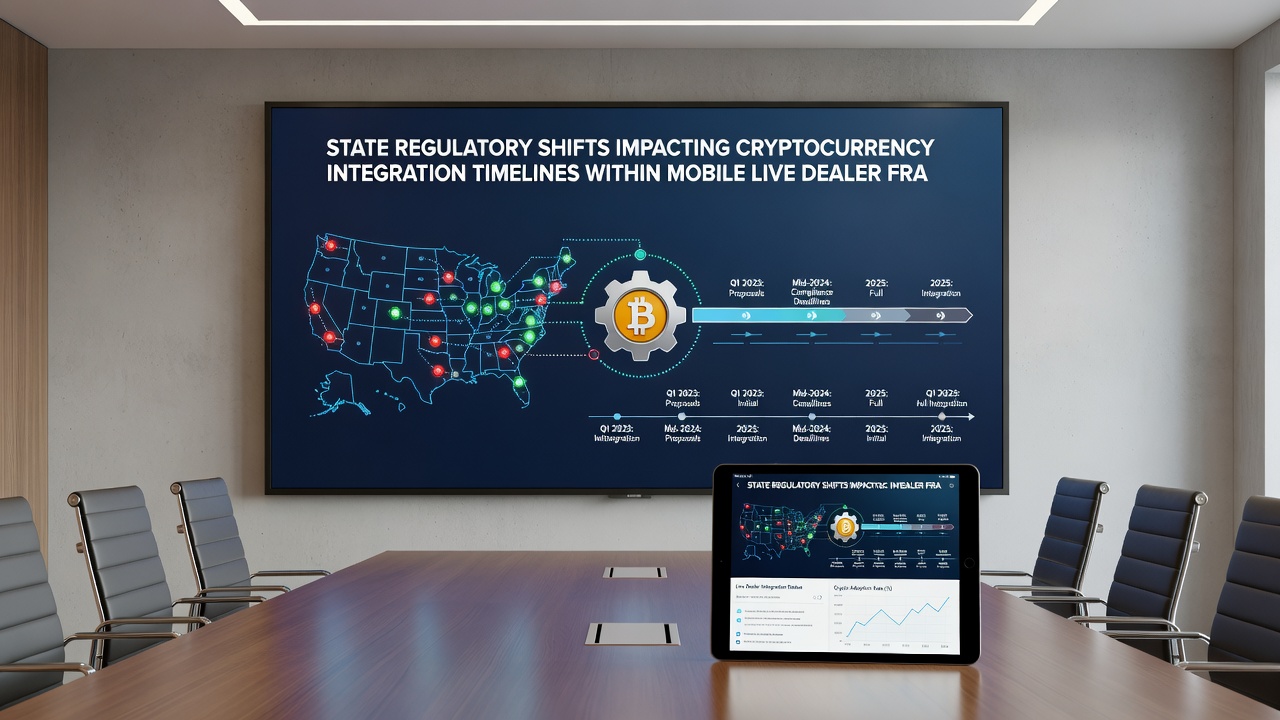
Operators therefore prioritize states whose rules align most closely with their existing banking integrations first, then expand outward. This staged approach reduces the risk of rework when new verification requirements appear mid-project. Figures released by the American Gaming Association reveal that 62 percent of mobile live dealer providers surveyed in mid-2026 had already reallocated engineering resources to match the revised state calendars.
Compliance and Security Considerations
Security mandates introduced in the July 2026 guidance packages require end-to-end encryption for every cryptocurrency transaction processed through mobile live dealer applications. States also stipulated that transaction logs remain accessible for at least five years, a requirement that influences both storage architecture and data retention policies. Because these rules intersect with existing know-your-customer frameworks, developers must merge identity verification flows with wallet address screening tools before certification can proceed.
States that adopted these measures earliest, such as Delaware and Rhode Island, now serve as reference points for later adopters. Operators who completed integration in those jurisdictions report that subsequent state submissions moved faster once core security modules had already passed independent audits. Conversely, states still finalizing their exact audit scope create uncertainty that stretches project schedules.
Projected Timelines Through 2027
Industry projections based on current regulatory dockets suggest that full cryptocurrency functionality across the top ten mobile live dealer markets will not stabilize until the second half of 2027. States continue to refine acceptable stablecoin lists and on-chain monitoring thresholds, each refinement triggering fresh compliance reviews. Operators therefore maintain flexible roadmaps that allow rapid reconfiguration of payment modules as new bulletins are released.
Coordination between state agencies and platform vendors has increased through shared working groups, yet differences in technical specifications persist. These variations keep integration timelines state-dependent rather than uniform, requiring ongoing monitoring of regulatory calendars.
Conclusion
State regulatory shifts continue to shape the sequence and duration of cryptocurrency integration projects within mobile live dealer frameworks. The July 2026 guidance releases added new verification layers and reporting obligations that operators must now factor into every development schedule. Because each jurisdiction sets its own certification milestones, providers manage staggered rollouts that reflect local compliance demands rather than a single nationwide standard. Ongoing adjustments to security protocols and transaction monitoring will keep these timelines fluid through at least 2027.