Seasonal Event Triggers Shaping Deposit Bonus Structures in Midwest Digital Wagering Platforms
Written by Kai Simmons · Jul 11, 2026
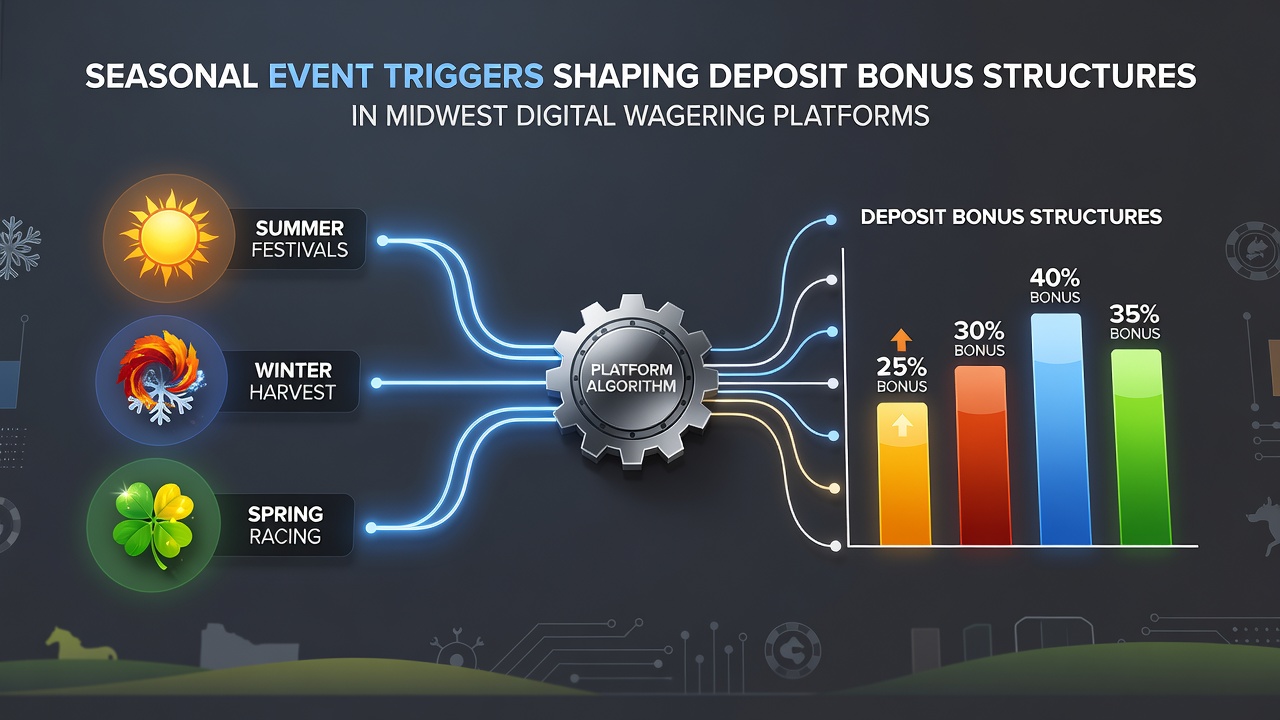
Seasonal Event Triggers Shaping Deposit Bonus Structures in Midwest Digital Wagering Platforms
Seasonal events have long influenced promotional mechanics in regulated digital wagering environments, and Midwest platforms follow this pattern with deposit bonus adjustments that align with holidays, fairs, and sports calendars. Platforms operating under Illinois, Michigan, Iowa, and Indiana licensing frameworks adjust match percentages, rollover requirements, and maximum deposit caps during peak periods such as Independence Day celebrations, county fairs, and back-to-school promotions. These modifications appear in user interfaces as time-limited offers that activate upon qualifying deposits, often coinciding with increased user activity recorded during July weekends. Regulatory filings submitted to state gaming boards document how operators structure these bonuses around predictable attendance spikes at events like the Iowa State Fair and the Michigan State Fair. Deposit match rates frequently rise from standard 100 percent to 150 or 200 percent during the first week of July, while free spin allocations tied to slot categories expand by 20 to 50 spins for deposits exceeding $25. Data compiled through 2025 shows these adjustments correlate with measurable increases in average session length, particularly on mobile applications serving users in metropolitan areas around Chicago, Detroit, and Des Moines.Summer Festival Alignments and Deposit Mechanics
Operators track attendance figures from regional festivals to calibrate bonus windows, and July 2026 promotions reflect this approach. Platforms licensed in Illinois introduced deposit bonuses during the Taste of Chicago event period that required a minimum $10 deposit for a 125 percent match plus 30 bonus spins on selected titles. Similar structures appeared in Michigan apps during Detroit fireworks displays, where rollover thresholds dropped from 30x to 20x for qualifying deposits made between July 3 and July 7.
These changes emerge from internal analytics that link event calendars to transaction volumes. Analysts at several Midwest operators note that deposit frequency rises 35 to 45 percent during fair seasons compared with non-event weeks, prompting temporary expansions in bonus caps from $200 to $500 per transaction. The adjustments remain compliant with state-specific rules on promotional transparency, requiring clear display of terms before deposit confirmation.
State Fair Periods and Bonus Threshold Adjustments
State fair schedules drive another layer of variation across platforms. Iowa operators historically extend deposit bonuses throughout the duration of the Iowa State Fair, which runs for 11 days in mid-August. In 2026 the same pattern holds, with platforms offering tiered matches where deposits between $50 and $150 receive an extra 50 percent bonus compared with baseline offers. Indiana platforms follow a comparable model during the Indiana State Fair, adding deposit-triggered loyalty points that convert into table game credits after the event concludes.
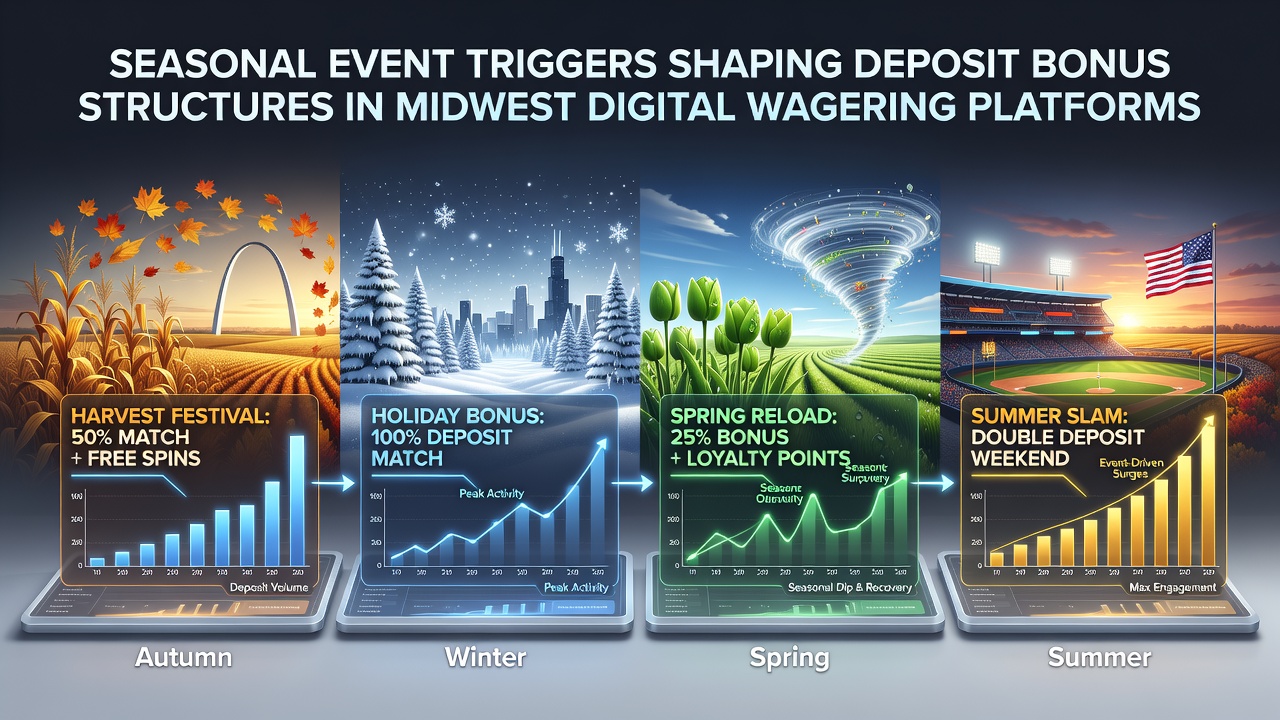
Research from the University of Nevada Gaming Innovation Lab indicates that platforms using event-based triggers record higher retention rates through the subsequent month. The study examined transaction logs from 2024 through early 2026 and found that users who claimed fair-timed bonuses returned at rates 18 percent above those who used standard year-round offers. These findings align with reports filed with the Iowa Racing and Gaming Commission, which tracks promotional spend as a percentage of gross gaming revenue.
Back-to-School and Fall Transition Patterns
August and September bring another cycle as platforms shift focus to back-to-school promotions. Deposit bonuses during this window often incorporate lower minimum deposit requirements, sometimes set at $5, to capture users managing household budgets after summer spending. Michigan operators have documented increased use of these offers among users aged 25 to 34, coinciding with college football season openings that extend promotional windows through September.
Cross-state comparisons reveal differences in how rollover requirements adjust. Illinois platforms tend to maintain 25x rollovers during fall promotions, whereas Iowa platforms reduce the multiplier to 15x for deposits made on specific weekdays. These variations stem from individual operator strategies rather than uniform regulatory mandates, yet all remain subject to approval processes outlined by each state's gaming control board.
Conclusion
Seasonal event triggers continue to shape deposit bonus structures across Midwest digital wagering platforms through measurable adjustments in match rates, caps, and rollover terms. July 2026 promotions illustrate ongoing alignment between regional calendars and platform mechanics, with data from state filings and academic analyses confirming consistent patterns in user engagement during event windows. Operators maintain compliance with licensing requirements while adapting offers to documented attendance and transaction trends.