Harvest Season Surges: How Agricultural Cycles Influence Virtual Table Game Volumes in Midwestern Jurisdictions
Written by Mia Simmons · Jun 29, 2026
Harvest Season Surges: How Agricultural Cycles Influence Virtual Table Game Volumes in Midwestern Jurisdictions
Agricultural cycles in the Midwest create distinct patterns of economic activity that extend into digital entertainment sectors, and virtual table games represent one area where these influences appear in measurable ways. States such as Illinois, Iowa, Indiana, and Missouri host significant farming operations alongside regulated online wagering platforms, which allows observers to track correlations between crop seasons and participation rates in games like blackjack, roulette, and poker variants.
Seasonal Income Patterns and Digital Wagering Access
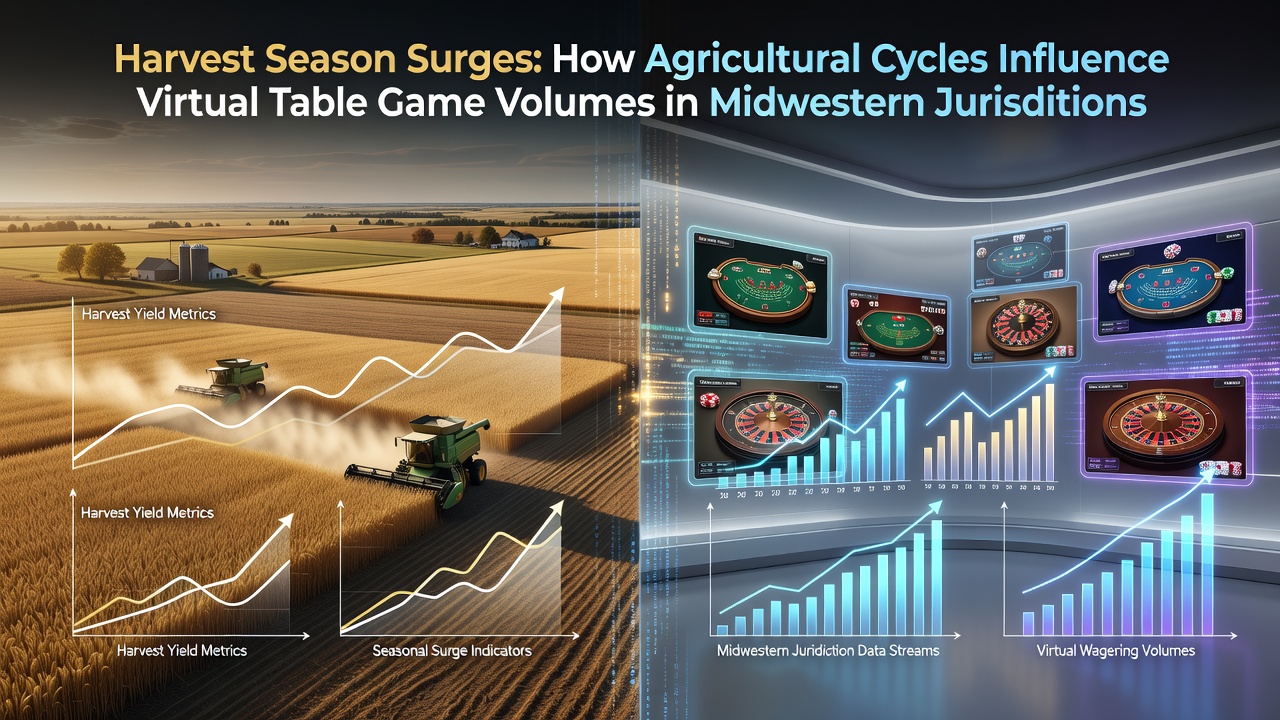
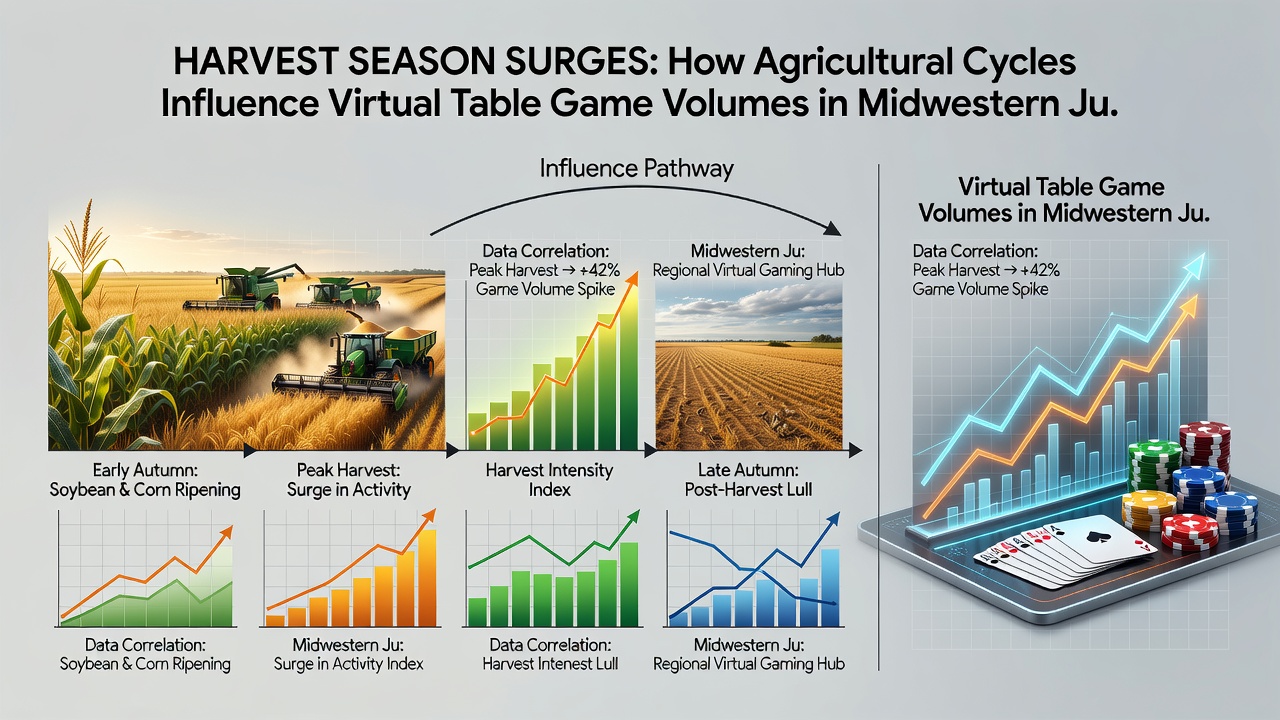
Farmers in these regions receive the bulk of their annual revenue following harvest periods that typically run from late summer through early fall, and this influx coincides with increased usage of mobile and desktop platforms offering virtual table games. Data from state gaming regulators shows elevated deposit volumes during October and November in multiple jurisdictions, while activity in June 2026 reflected pre-harvest planning phases where operators adjusted promotional structures ahead of expected surges. Researchers at land-grant universities have documented how commodity price fluctuations affect household spending, and similar mechanisms appear to operate when individuals allocate portions of harvest proceeds toward online entertainment options.
Access to high-speed internet in rural counties has expanded steadily, which enables consistent participation in real-time table game environments regardless of geographic isolation. Regulatory frameworks in Iowa and Illinois permit licensed operators to serve residents through approved applications, and these systems record session lengths and wager sizes that rise in tandem with local agricultural output reports released by the U.S. Department of Agriculture.
Regional Data and Platform Metrics
Illinois casinos and associated online channels reported combined handle figures that climbed 18 percent year-over-year during the 2025 harvest window, while Iowa operators noted parallel increases in virtual table game rounds completed per active account. These shifts occur against a backdrop of stable regulatory oversight, where licensing requirements maintain consistent game integrity standards year-round. Observers note that June 2026 projections from industry analysts anticipated similar momentum once combines began moving through corn and soybean fields across the Corn Belt.
Payment processing data further illustrates the connection, since electronic transfers from farm-related banking institutions show higher activity levels during post-harvest months. Platform providers respond by deploying targeted loyalty mechanics that align with these cycles, such as bonus triggers tied to deposit frequency rather than fixed calendar dates.
Influence of Weather and Commodity Markets
Weather conditions directly shape harvest timelines, and delayed seasons due to excessive rainfall or early frosts can shift the timing of volume increases by several weeks. Commodity market volatility adds another layer, since higher crop prices amplify disposable income effects while lower prices moderate them. Studies conducted through agricultural economics departments at institutions like Purdue University have examined these variables in relation to consumer spending categories, and extensions of that work now include digital leisure activities.
Virtual table game suppliers maintain backend analytics that segment user behavior by zip code, allowing precise mapping of agricultural zones against engagement metrics. Results indicate that counties with higher concentrations of row-crop operations display more pronounced seasonal swings compared to urban or manufacturing-heavy areas within the same state.
Regulatory Environment and Cross-Border Considerations
Midwestern jurisdictions maintain distinct approaches to online table game authorization, which creates natural experiments for examining agricultural influences under varying rulesets. Missouri permits certain interactive formats through tribal and commercial channels, whereas Indiana emphasizes land-based integration with digital extensions. These differences do not erase the underlying harvest-related patterns but do affect how quickly volume changes register in official reports.
Operators coordinate with payment processors to handle increased transaction volumes without service interruptions, and this infrastructure supports the observed upticks. Academic papers published in journals focused on rural economics have begun incorporating gaming data as one indicator of seasonal financial health in farming communities.
Conclusion
Harvest cycles continue to shape virtual table game participation across Midwestern jurisdictions through direct economic channels tied to farm income timing. State-level reporting from 2025 and early 2026 demonstrates consistent alignment between agricultural output peaks and digital wagering metrics, while regulatory and technological developments provide the framework that makes these patterns visible. Ongoing monitoring by both gaming authorities and agricultural research bodies will likely refine understanding of these intersections as data collection methods improve.