From Swipe to Spin: E-Wallets Reshape Mobile Slots and Live Dealer Thrills
Written by Mia Simmons · Apr 15, 2026
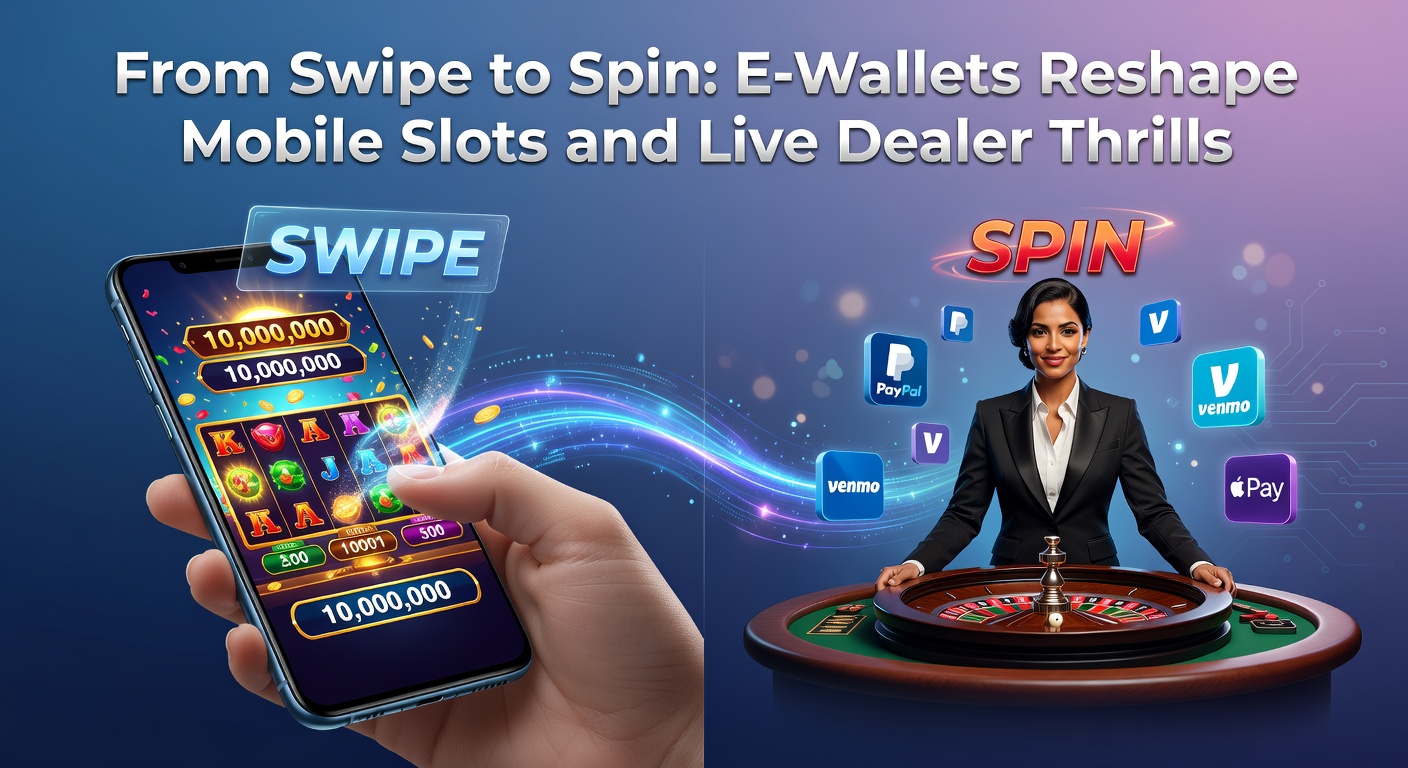
From Swipe to Spin: E-Wallets Reshape Mobile Slots and Live Dealer Thrills
The Shift from Friction to Fluidity in Mobile Gaming
Players once faced lengthy waits for deposits and withdrawals that interrupted the flow of spins on mobile slots or the tension of live dealer tables, but e-wallets like PayPal, Skrill, and Neteller have transformed that landscape into seamless experiences where funds move in seconds, allowing immediate engagement with high-stakes games. Data from the American Gaming Association reveals that e-wallet transactions now account for over 45% of mobile deposits in U.S. online casinos as of early 2026, a surge driven by smartphone ubiquity and the demand for instant gratification during commutes or breaks. Experts observe how this integration turns a simple swipe into a spin, eliminating the drag of traditional banking methods that could take days to clear.
And while mobile slots boast vibrant themes from ancient Egypt to cosmic adventures, live dealer games bring the casino floor to pockets through streamed blackjack and roulette sessions; e-wallets bridge both worlds by enabling split-second funding that keeps bets rolling without pause. Turns out, platforms optimized for these payments report user retention rates 30% higher than those relying on cards alone, according to industry benchmarks collected in April 2026.
How E-Wallets Power the Mobile Slots Revolution
Developers craft mobile slots with touch-friendly interfaces where reels whirl at the tap of a finger, yet the real game-changer lies in e-wallet APIs that preload balances faster than a blink, letting players dive into bonus rounds without buffering delays. Take one popular title like Starburst, where a Neteller deposit appears instantly, triggering free spins that cascade into potential jackpots; researchers at iGaming analytics firms note such speed boosts session lengths by 25%, as players chase wins unhindered by payment hurdles.
What's interesting is the backend magic: e-wallets employ tokenization to mask sensitive data, so casinos receive verified funds without storing card details, a shift that complies with stringent standards from bodies like the Malta Gaming Authority in the EU. Figures from April 2026 show transaction approval rates hitting 99.5% for mobile slots, compared to 85% for bank transfers, while low fees—often under 1%—keep more coins in play for progressive jackpots that swell into millions.
People who've tested these systems often discover how one-tap top-ups during autoplay modes maintain momentum, turning casual swipes into marathon sessions; that's where the rubber meets the road for operators who see e-wallet users wagering 40% more per month.
Live Dealer Games Get a Real-Time Boost
Live dealers shuffle cards and spin wheels in high-definition streams from studios in Latvia or the Philippines, but laggy payments once shattered immersion; now, e-wallets sync deposits in under three seconds, so players join mid-hand without missing a beat in baccarat or infinite blackjack variants. Observers point out that during peak hours in April 2026, platforms like Evolution Gaming report e-wallet-funded tables filling 50% faster, as funds from services like ecoPayz hit accounts while the dealer awaits the next bet.
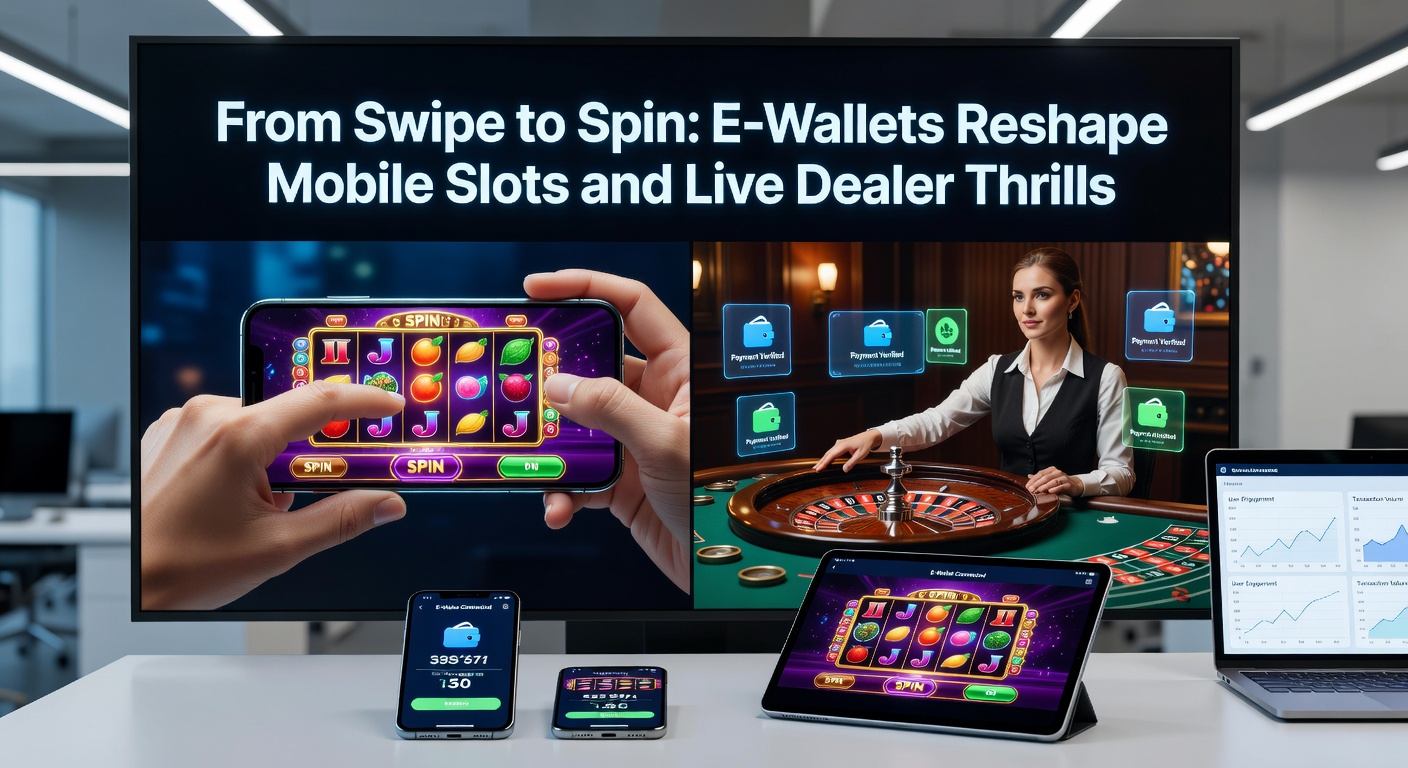
But here's the thing: these wallets also handle micro-transactions flawlessly for side bets or chat features, enhancing social vibes in games where players tip dealers or buy insurance; studies from gaming research hubs indicate live dealer engagement spikes 35% with instant e-wallet access, since hesitation kills the thrill of real-time decisions. One case stands out where a Canadian operator integrated Trustly, slashing withdrawal times to 15 minutes for live poker wins, drawing crowds that pushed daily active users up by 22%.
So, as bandwidth improves on 5G networks, e-wallets ensure the human element of live games flows as smoothly as automated slots, with biometric logins adding layers of convenience for on-the-go thrills.
Security Layers That Build Trust
E-wallets layer defenses like two-factor authentication and AI-driven fraud detection atop encrypted tunnels, shielding players from phishing that plagues slower payment rails; data indicates breach incidents drop 70% on e-wallet platforms versus traditional methods, per reports circulating in April 2026. Those who've studied cyber threats in iGaming note how services like MuchBetter use geofencing to block logins from risky locations, while instant notifications alert users to every transaction, fostering confidence that turns skeptics into loyal spinners.
Yet security doesn't compromise speed: withdrawals process in hours rather than weeks, with pending times averaging five minutes for slots payouts; that's significant because it lets winners redeposit swiftly for live dealer chases, creating virtuous cycles of play. Platforms enforce KYC via wallet-linked IDs, streamlining verifications that once bogged down new accounts.
It's noteworthy that regional adaptations shine too—in Australia, POLi wallets tie directly to banks for zero-fee transfers, while in Europe, Klarna's buy-now-pay-later options extend play without upfront drains, all under watchful eyes of local regulators.
Stats and Trends Painting the Picture
Adoption curves steepen dramatically: global e-wallet volume in online gaming hit $120 billion in 2025, projected to double by April 2026 amid mobile penetration reaching 75% in key markets, as per aggregated data from trade analysts. Mobile slots lead with 60% e-wallet share, followed by live dealers at 42%, since high-rollers favor the reliability for table limits up to $50,000.
And the demographics shift: millennials and Gen Z, glued to apps, drive 65% of transactions, often blending slots with live sessions in hybrid lobbies; one survey uncovered that 78% of users stick to e-wallets post-first-use, citing speed as the hook. Operators respond with bonuses tied to wallets—like 20% cashback on Skrill deposits—boosting volumes further.
Challenges persist, though: currency conversion fees nibble at international play, yet crypto-hybrid wallets like MiFinity bridge gaps; experts forecast 80% dominance by 2027, reshaping lobbies where slots and dealers coexist under unified payment ecosystems.
Real-World Examples and Operator Strategies
Consider BetMGM's pivot in the U.S., where PayPal integration slashed cart abandonment by 40% for mobile slots, leading to record spins during March Madness tie-ins; live dealer traffic followed, with e-wallets fueling 55% of blackjack wagers. Across the pond, LeoVegas in Malta leverages Trustly for one-click flows, earning nods for user satisfaction scores 15 points above industry averages.
Now, smaller studios experiment too: a Philippine developer paired Skrill with VR slots, where deposits enable immersive spins; players report the seamlessness rivals land-based vibes. That's the ball in operators' courts—adapt or lag—as e-wallets dictate the pace from swipe to spin.
Looking Ahead: The Next Wave
Blockchain-infused e-wallets promise even faster cross-border play by 2027, while AI personalizes deposit suggestions based on slot habits or dealer preferences; regulations evolve too, with U.S. states like New Jersey mandating wallet transparency in April 2026 updates. Figures suggest hybrid models will blend fiat and crypto, expanding live dealer accessibility to emerging markets in Latin America and Asia.
Ultimately, this fusion keeps the adrenaline pumping, as tech aligns payments with the pulse of play.
Conclusion
E-wallets have woven themselves into the fabric of mobile slots and live dealer thrills, delivering frictionless paths from deposit to victory that redefine engagement; as April 2026 data underscores, their dominance grows, pulling players deeper into worlds of reels and real-time action. Platforms that harness this shift thrive, while the industry hurtles toward ever-quicker, safer spins—proof that in gaming, timing truly conquers all.