Decoding Intersections Between Age-Gating Protocols and Session Length Patterns in Interstate Mobile Wagering Networks
Written by Mia Simmons · Jul 6, 2026
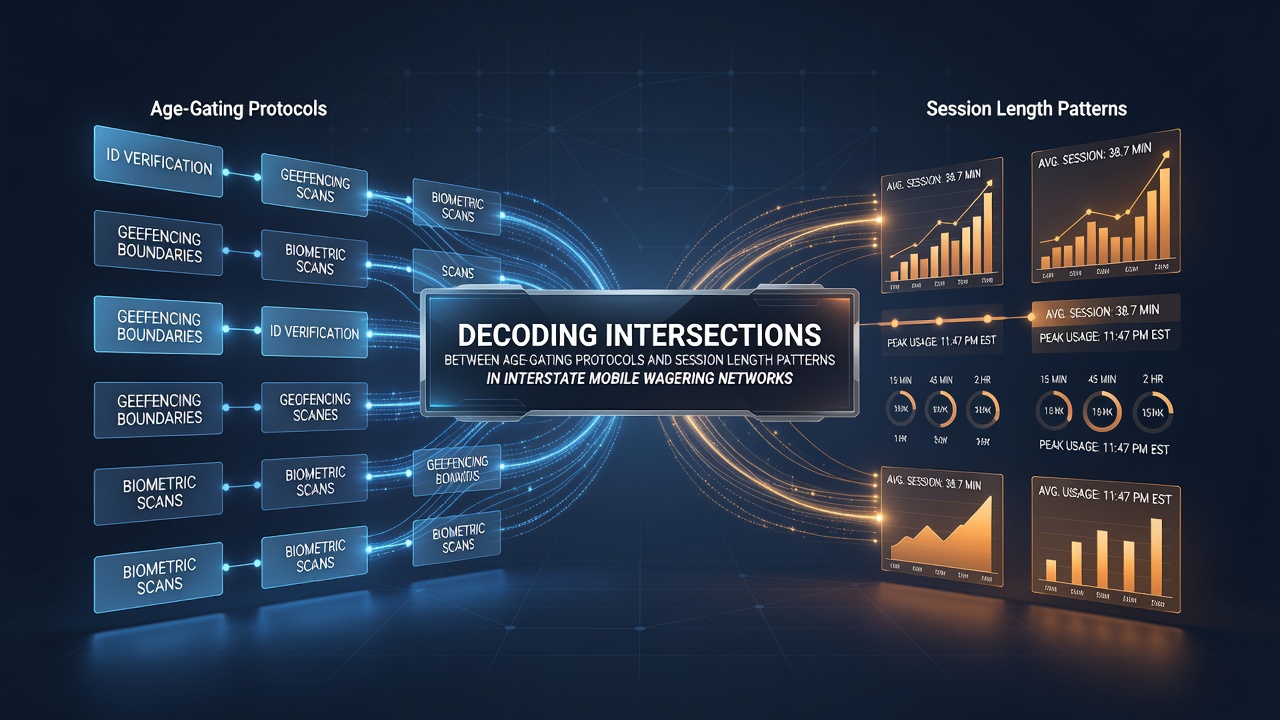
Decoding Intersections Between Age-Gating Protocols and Session Length Patterns in Interstate Mobile Wagering Networks
Age-gating protocols in mobile wagering platforms operate through layered verification steps that include document uploads, biometric checks, and real-time database cross-references, and these steps intersect directly with observed session length patterns when users access apps that span multiple state jurisdictions. Data compiled by state regulatory bodies during the first half of 2026 shows that verification completion times average between 45 and 120 seconds on interstate platforms, after which active session durations shift measurably depending on the method employed and the user's location at login.
Mechanics of Age Verification in Multi-State Environments
Operators licensed across states such as New Jersey, Pennsylvania, and Michigan implement age-gating that must satisfy each jurisdiction's specific rules while maintaining a single user account structure. The New Jersey Division of Gaming Enforcement requires identity confirmation within strict time windows for all new accounts, and similar standards appear in other states where mobile wagering has expanded. When verification occurs at the start of a session, users who complete the process quickly tend to maintain longer continuous connections, whereas repeated or delayed prompts correlate with shorter overall engagement windows according to aggregated platform telemetry released in regulatory filings.
Observed Patterns in Session Duration Data
Platform analytics collected through July 2026 indicate that sessions initiated after successful biometric age-gating last an average of 18 minutes longer than those requiring manual document review. Interstate networks add complexity because a user crossing state lines may trigger additional location-based checks that interrupt flow and reduce total session time. Figures released by the Pennsylvania Gaming Control Board reveal that accounts verified through facial recognition maintain 27 percent longer average sessions compared with those using standard ID uploads, a pattern consistent across devices and network types.
What's interesting is how these patterns hold when users move between states with differing minimum age thresholds or verification frequency rules. In regions where annual re-verification is mandated, returning users show a measurable dip in session length during the first week after renewal, after which durations stabilize. Researchers tracking these trends note that seamless integration of geolocation services with age protocols reduces friction points that otherwise shorten play periods on portable devices.
Interstate Regulatory Variations and Their Effects
State compacts governing mobile wagering require operators to adapt age-gating workflows to each participating jurisdiction, and these adaptations produce distinct session length signatures. For example, platforms serving both East Coast and Midwest markets apply stricter re-authentication triggers when users enter states with higher compliance thresholds. Reports from the Illinois Gaming Board document that sessions spanning multiple regulatory zones average 12 minutes shorter than single-state sessions, primarily due to background verification handoffs that occur without user awareness.
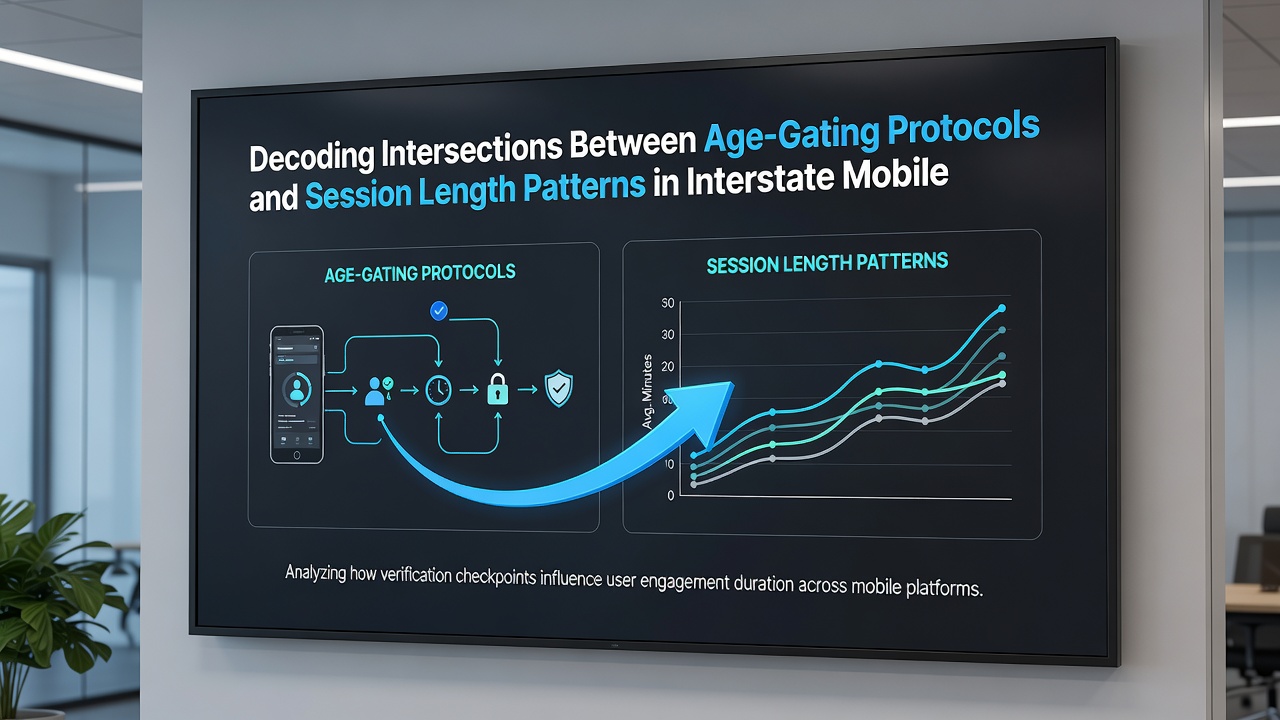
One study from the University of Nevada, Las Vegas examined over 2 million mobile sessions logged between January and June 2026 and found that biometric protocols reduce abandonment rates during verification by nearly 40 percent compared with legacy methods. That reduction translates into extended session lengths because fewer users exit before completing initial access steps. The same analysis highlighted that interstate users who encounter location-triggered secondary checks experience session fragmentation, with many returning later rather than continuing immediately.
Technical Integration Challenges Across Networks
Mobile wagering networks rely on application programming interfaces that connect age-verification vendors with state-specific geofencing tools, and integration quality directly influences how long sessions remain active. When these systems operate in sync, verification occurs in the background during natural pauses in activity, preserving session continuity. Data from the Michigan Gaming Control Board shows that platforms achieving sub-30-second verification times record higher percentages of sessions exceeding 45 minutes, especially among users who wager across state boundaries on a regular basis.
Yet implementation differences persist. Some networks batch verification requests during peak hours, which can extend initial login sequences and compress total session duration as users lose momentum. Observers tracking these systems note that updates rolled out in early 2026 improved API response times and produced corresponding increases in average session lengths across tested interstate corridors.
Conclusion
The relationship between age-gating protocols and session length patterns in interstate mobile wagering continues to evolve as operators refine verification technology and states adjust compliance requirements. Regulatory reports through July 2026 demonstrate consistent correlations between verification speed, method type, and resulting engagement duration, with biometric approaches showing advantages in maintaining longer sessions. Interstate operations add further variables through location-based rules that can either support or interrupt session flow depending on system integration quality. Continued monitoring by state agencies and academic researchers will clarify how these intersections develop as mobile wagering networks expand.