Decoding Device-Specific Interface Tweaks That Influence Bonus Activation Sequences in Regulated Portable Gaming Setups
Written by Mia Simmons · Jun 15, 2026
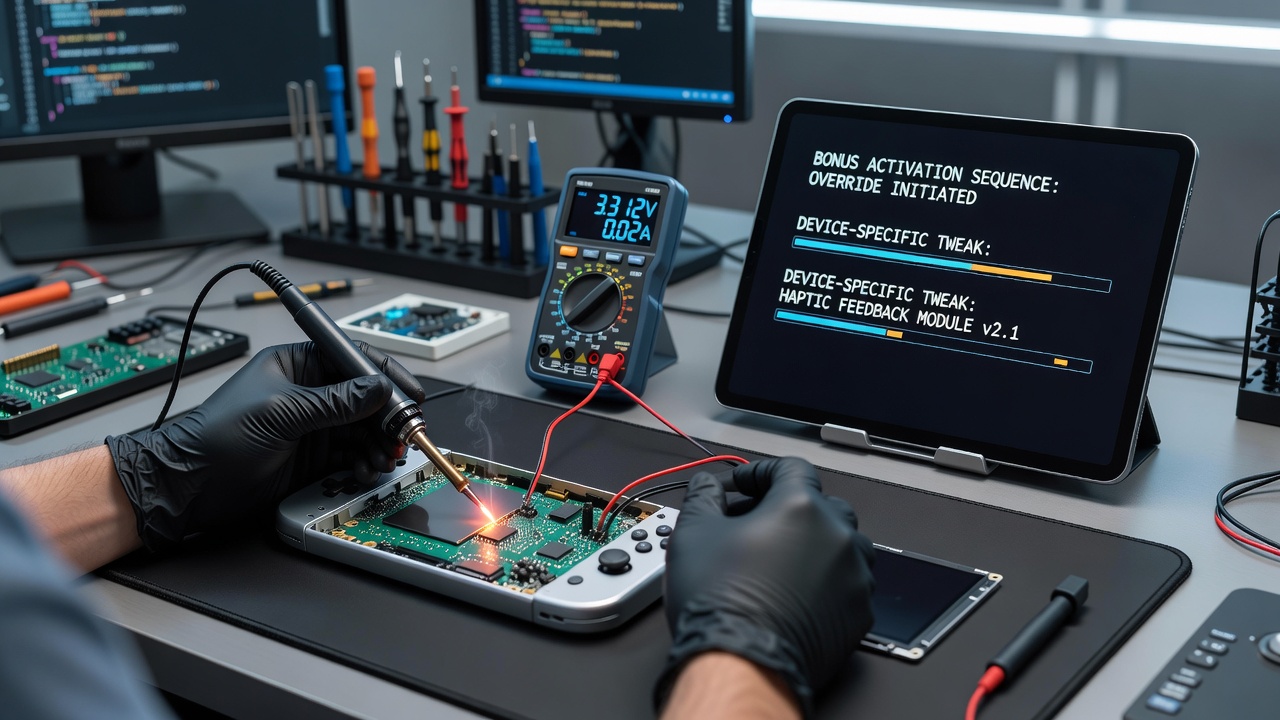
Decoding Device-Specific Interface Tweaks That Influence Bonus Activation Sequences in Regulated Portable Gaming Setups
Regulated portable gaming setups operate under strict technical standards that account for variations across smartphones and tablets, where device-specific interface adjustments directly shape how bonus activation sequences register during play. Operators in markets such as New Jersey and Pennsylvania configure applications to accommodate differences in touch sampling rates, gesture recognition algorithms, and screen calibration data that vary by hardware model and operating system version.
Hardware Variations and Touch Responsiveness
Device manufacturers implement unique capacitive sensor arrays and refresh rates that affect how swipe gestures translate into game commands, and regulators require testing protocols to verify consistent bonus trigger behavior across these configurations. Data compiled by the New Jersey Division of Gaming Enforcement shows that high-refresh-rate displays on certain Android flagships register input events up to 40 percent faster than older LCD panels, which in turn alters the timing windows for multi-touch sequences used in bonus rounds.
Apple devices running recent iOS builds apply additional gesture filtering layers that can delay or reinterpret certain swipe patterns, prompting developers to adjust hit-box dimensions and animation timing within regulated titles to maintain equivalent activation probabilities. Observers note that tablets with larger active screen areas require scaled interface elements because edge proximity sensors and palm-rejection algorithms differ markedly from those found on compact handsets.
Operating System Updates and Sequence Calibration
Operating system updates frequently modify input handling stacks, and gaming platforms must revalidate bonus activation logic after each major release cycle to remain compliant with state technical standards. In June 2026 several jurisdictions began reviewing new Android 16 beta builds that introduced refined predictive touch algorithms, requiring fresh certification submissions for any title that relies on precise swipe timing for feature triggers.
Developers address these changes by maintaining separate code branches that apply device-specific offsets to animation durations and input debounce intervals, ensuring that bonus sequences activate within the statistical tolerances mandated by gaming control boards. Research from the University of Nevada, Las Vegas Center for Gaming Research indicates that unadjusted interfaces on updated operating systems can shift bonus hit rates by as much as 2.3 percent, enough to trigger mandatory re-testing under current regulatory frameworks.
Screen Resolution and Asset Scaling Effects
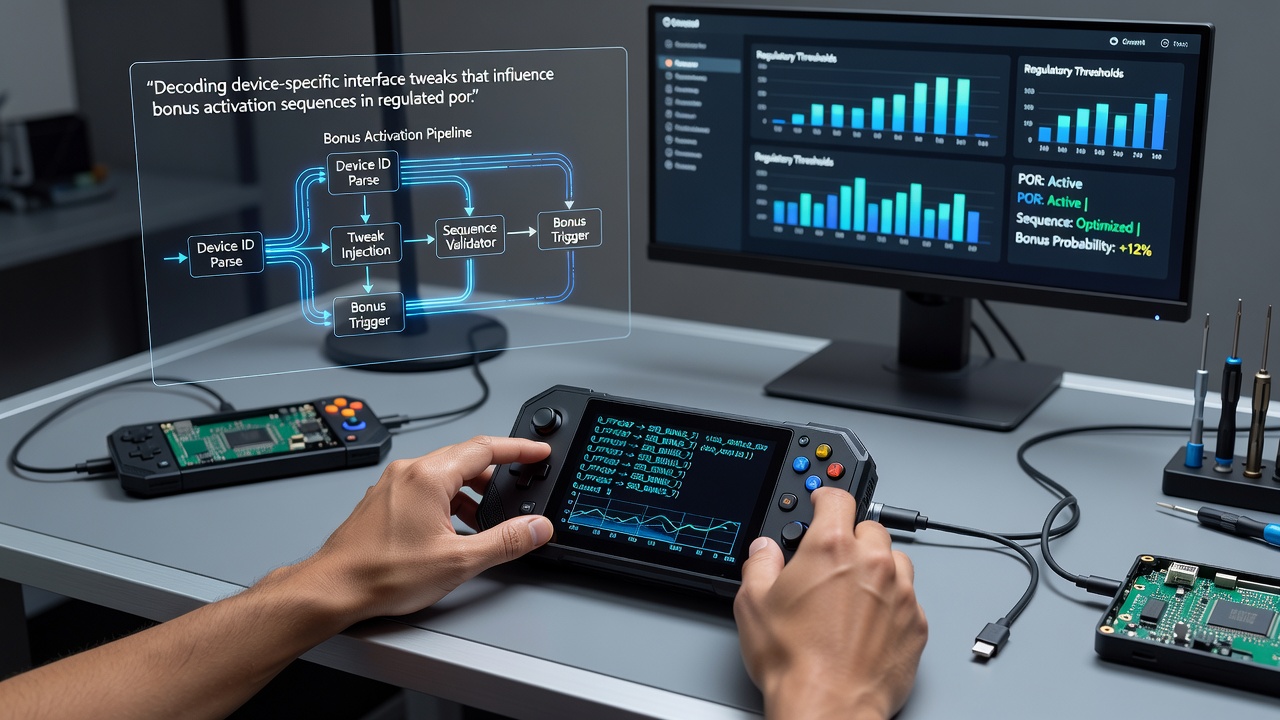
Higher pixel densities demand precise scaling of interactive elements, and any mismatch between rendered button boundaries and actual touch targets can prevent intended bonus sequences from registering. Regulated applications therefore incorporate dynamic resolution detection routines that recalibrate hit areas based on the exact pixel-per-inch values reported by each device at launch.
Those who have examined certification logs note that portrait versus landscape orientation switches also introduce additional variables because accelerometer data and safe-area insets change the available interaction space. Platforms certified for multi-state deployment maintain separate asset packs for common resolution buckets so that bonus activation thresholds remain statistically equivalent regardless of the physical screen dimensions in use.
Regulatory Testing and Compliance Documentation
State regulators require detailed interface mapping documents that catalog every supported device model together with the exact parameter adjustments applied to maintain fairness across the installed base. The Victorian Commission for Gambling and Liquor Regulation in Australia publishes annual summaries of mobile testing outcomes that include device-specific deviation rates for bonus features, providing operators with benchmarks used during their own certification processes.
Continuous monitoring programs collect anonymized telemetry on activation success rates segmented by hardware and software combinations, allowing regulators to identify emerging patterns that warrant updated technical bulletins. When anomalies appear, developers receive targeted guidance on interface recalibration steps that restore the intended activation sequences without altering underlying random number generator behavior.
Conclusion
Device-specific interface tweaks remain a core compliance consideration for regulated portable gaming because even minor calibration differences can affect how players experience bonus activation sequences. Ongoing collaboration between hardware vendors, software developers, and regulatory bodies ensures that technical adjustments keep pace with evolving device capabilities while preserving the statistical integrity required by law. As new models and operating system versions reach the market each year, the documentation and testing workload continues to expand in order to cover every supported configuration.