Charting Loyalty Point Systems in Digital Gaming and Their Ties to Platform Accessibility Features
Written by Kai Brooks · May 27, 2026
Charting Loyalty Point Systems in Digital Gaming and Their Ties to Platform Accessibility Features
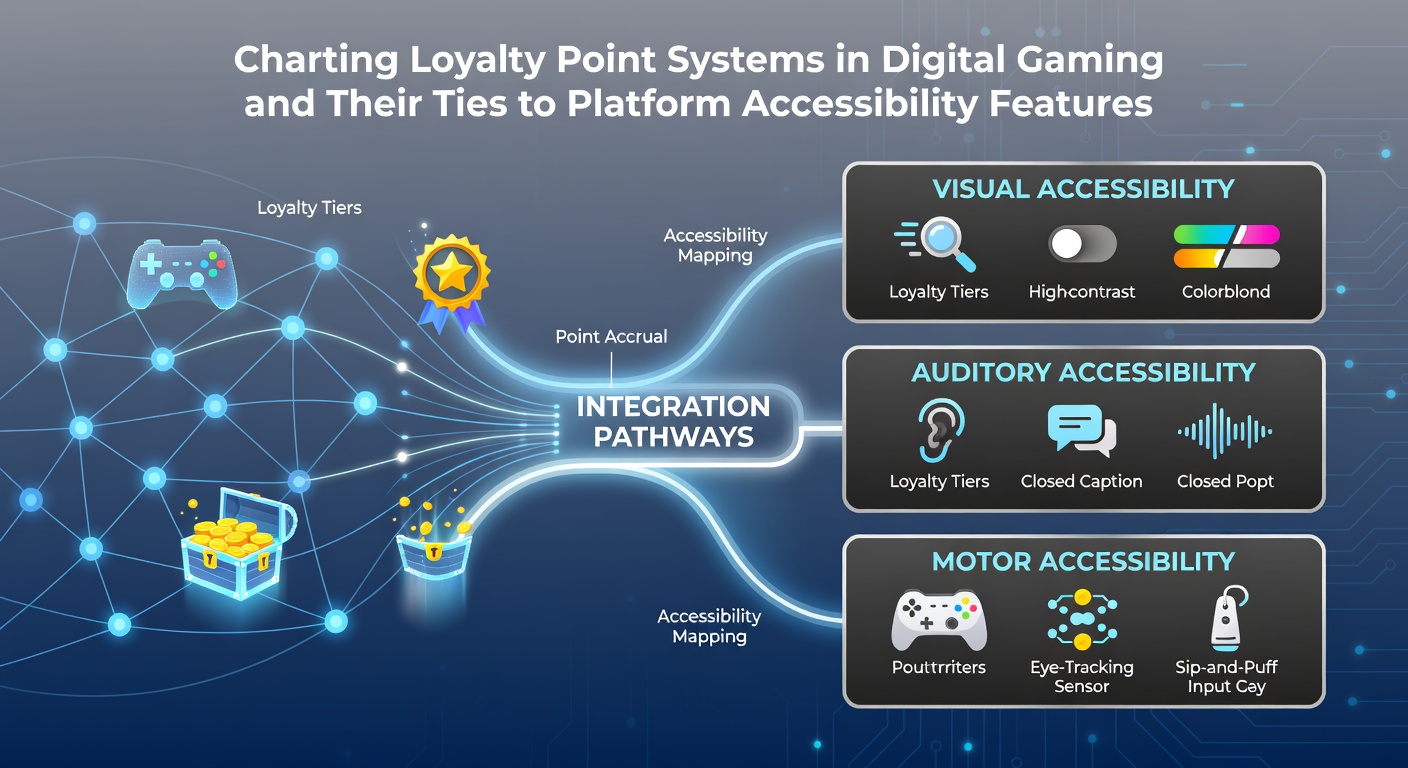
Digital gaming platforms have developed structured loyalty point systems that track player engagement across consoles, PCs, and mobile devices, while accessibility features have expanded to accommodate diverse user needs. These systems award points based on time spent, achievements completed, and participation in events, with redemption options ranging from cosmetic items to extended play sessions. Observers note that integration with accessibility tools allows players who rely on screen readers or alternative input methods to participate fully in point-earning activities without separate barriers.
Structure of Modern Loyalty Programs
Platforms organize loyalty points through tiered levels that unlock progressively higher rewards as cumulative totals rise. Data from industry reports shows that many systems calculate points using algorithms factoring in session length, multiplayer contributions, and cross-game participation. Players advance through bronze, silver, and gold equivalents, each offering distinct benefits such as priority matchmaking or exclusive content drops. This structure appears in services from major providers where monthly activity summaries detail point balances and upcoming milestones.
Redemption mechanics vary by platform yet follow common patterns. Points convert directly into in-game currency, battle passes, or hardware discounts in some cases, while others tie rewards to charity donations or profile customizations. Researchers at academic institutions have tracked how these options influence retention rates, with figures revealing sustained engagement when multiple redemption paths exist.
Accessibility Features in Gaming Ecosystems
Platform accessibility encompasses options like customizable color palettes, text-to-speech narration, and remappable controls that reduce physical or cognitive demands. Government agencies in Canada have outlined standards requiring digital services to meet baseline usability criteria, and gaming companies have aligned their interfaces accordingly. These adjustments ensure that loyalty point tracking remains visible and interactive for users employing assistive technologies.
Voice navigation and high-contrast modes represent additional layers that support point system interaction. Players activate these settings once, after which dashboards display accumulated totals and progress bars in compatible formats. Studies from European research centers indicate broader adoption of such features correlates with increased participation among users who previously faced navigation challenges.
Connections Between Points and Accessibility Tools
Loyalty systems incorporate accessibility parameters so that point accrual occurs regardless of chosen input methods or display preferences. For instance, automated tracking logs activity from adaptive controllers without requiring manual adjustments. This seamless recording prevents players from losing progress when they switch between standard and specialized hardware.
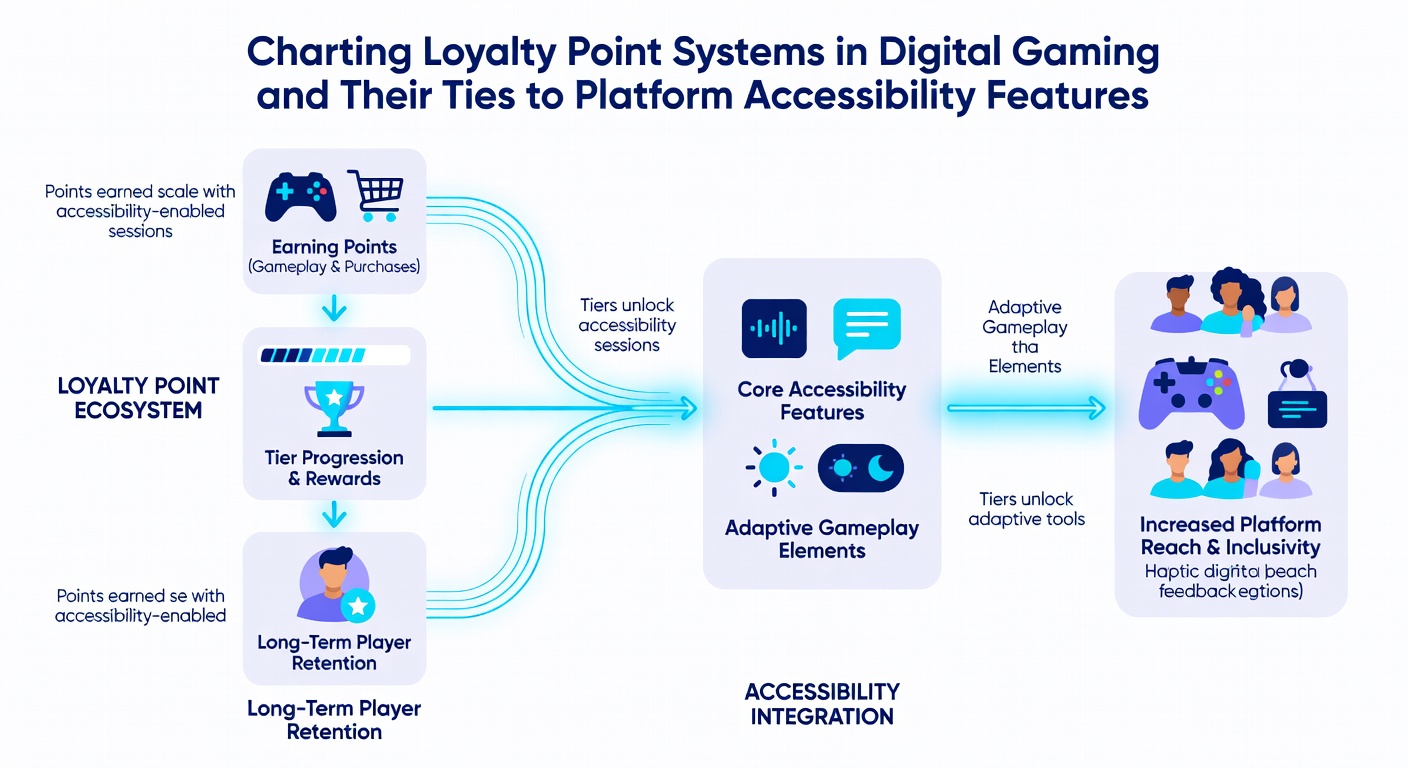
Some platforms extend rewards specifically for accessibility-related milestones, such as completing tutorials with assistive features enabled. Observers document cases where these targeted incentives encourage broader testing of available tools. Reports from Australian digital inclusion initiatives highlight how such linkages support equitable access across player demographics.
Cross-platform synchronization further ties the elements together. Cloud-based accounts carry both loyalty balances and accessibility profiles between devices, allowing continuity when users move from home consoles to portable units. Industry data collected through 2025 demonstrates consistent point growth rates even among accounts with active accessibility flags.
Implementation Examples Across Regions
North American services have introduced loyalty dashboards that embed accessibility toggles directly beside point trackers. Users select preferences once, and subsequent menus adapt automatically to maintain readability during reward browsing. European platforms meanwhile emphasize compliance with broader digital service directives, resulting in standardized labeling for point categories that screen readers parse reliably.
Developers in Asia-Pacific markets often combine loyalty events with accessibility showcases, where limited-time challenges reward points for utilizing features like captioning or simplified controls. These events generate measurable upticks in feature activation according to internal analytics shared at industry conferences.
Trends Observed in May 2026
As of May 2026, platform updates have focused on refining point algorithms to better account for varied play styles supported by accessibility settings. Aggregated statistics indicate that accounts with accessibility configurations active maintain comparable earning velocities to standard accounts when session data is normalized. Regulatory bodies continue monitoring these developments to ensure ongoing alignment with emerging digital equity guidelines.
Partnerships between hardware manufacturers and software providers have produced updated controller profiles that integrate loyalty notifications through haptic or audio cues. Such refinements allow uninterrupted engagement for players who benefit from non-visual feedback mechanisms.
Conclusion
Loyalty point systems and accessibility features intersect at multiple operational levels within digital gaming environments. Tracking mechanisms accommodate diverse interaction methods, while reward structures increasingly recognize participation facilitated by assistive tools. Continued alignment between these domains supports wider platform usability across user groups, with ongoing data collection guiding refinements in both areas.